
10 Classic 2010s TV Shows That Have Aged Like Fine Wine


This passion saw Ryan graduate from the University of Canberra in 2020 with an Honours Degree in Film Production. In the years since, he has found freelance work as a videographer and editor in the Canberra region while also becoming entrenched in the city's film-making community.
In addition to cinema and writing, Ryan's other major interest is sport, with him having a particular love for Australian Rules football, Formula 1, and cricket. He also has casual interests in reading, gaming, and history.
The 2010s represent something of a peak in television drama, a perfect point in time between the innovative dare and razor-sharp storytelling of the 2000s and the massive budget, streaming platform series of today. The decade makes up a significant portion of television’s golden age of prestige drama, a fact that makes it no surprise whatsoever that it produced an abundance of outstanding series that became instant classics.
While the span of 10 years may not seem like a very long time to gauge how a series has aged, or will continue to age going forward, these series have only gotten better in the short span of time since they concluded. Whether that is due to the societal and dramatic themes they explored only becoming more pressing over time, their pioneering brilliance being better appreciated upon reflection, or simply their enduring quality shining as imitators and copycats fail to recreate what made the original so great, these 2010s masterpieces are viewed as being even better now than they were when they aired.
10 'Hannibal' (2013–2015)

Considering that Hannibal was largely a cult hit when it aired and was ultimately canceled by NBC after just three seasons due to low viewership figures, it is safe to say that much of the acclaim and fanfare the ambitious crime series has garnered has come retrospectively. While this belated appreciation has brought about a renewed interest in the series, it has also highlighted how daring and ahead of its time it was for a mid-2010s release, especially one that ran on network television.
Based on “Red Dragon” and other stories set in the Dr. Hannibal Lecter universe by Thomas Harris, the series has a striking affinity for graphic and elaborate gore, one that bolsters the intensity and macabre intrigue of the story with a wicked decadence that is as sadistic and inhuman as it is creative and divine. Its commitment to artistry, depth, and the realization of an auspicious vision may have hindered its immediate success on NBC, but these qualities have made Hannibal a timeless and trend-setting masterpiece of crime drama that packs a far greater punch than many hit series the genre has seen in the years since.
9 'The Leftovers' (2014–2017)

Released through the mid 2010s as something of a sleeper hit, The Leftovers marks what is one of the most underrated and underappreciated series in HBO’s history. Thriving as a heavy supernatural drama exploring ideas of grief, faith, and existentialism, it opens three years after the “Sudden Departure,” an inexplicable event in which 2% of the world’s population simply vanished. Stranded in a world of nihilism where mainstream religion has been abandoned, Kevin Garvey (Justin Theroux) tries to maintain some sense of normality and security for his loved ones.
The series had several timeless qualities that were apparent immediately, such as its mastery of tone and atmospheric intensity, its control over moral ambiguity, and its depiction of trauma and loss that prioritizes exploring the human condition over developing any mystery surrounding the Sudden Departure. Just nine years on from its conclusion, however, The Leftovers is particularly resonant now simply for Kevin’s struggle to cling on to an ordinary existence as the world around him grows stranger and more hostile. It is a narrative element that, quite sadly, feels like it will be relevant for some years to come.
8 'Breaking Bad' (2008–2013)

It may have started in the 2000s, but three of Breaking Bad’s five seasons aired in the 2010s, so it technically should be considered as a series belonging to that decade. Technicalities aside, Breaking Bad should be considered as being one of the greatest feats in television drama, an absorbing tale of morality, corruption, and crime that follows high school science teacher Walter White (Bryan Cranston) as he begins cooking crystal meth to provide for his family after a damning cancer diagnosis and quickly becomes one of the most powerful drug lords in America.
The moral descent of Walter White from being a meek and mild-mannered family man to a criminal kingpin who loved the sense of power he obtained and would do anything to keep it makes for one of the best negative character arcs television has seen, an engrossing and violent character study of one of the medium’s greatest antiheroes. Bolstered by Vince Gilligan’s conviction and craft, a litany of astounding supporting performances, and a relentless appetite for thrilling and frenetic storytelling, Breaking Bad remains one of television’s finest achievements over a decade after its finale. The fact that it is unsurpassed by the multitude of imitators that have spawned since its success only heightens the status of its legacy and makes it even easier to appreciate today.
7 'Black Mirror' (2011–Present)

It is difficult to say a series has aged well when it is still technically ongoing. In the case of Black Mirror, however, there is a definitive turning point in the series’ quality that makes its earlier seasons feel completely different from the newer episodes being released. The one major benefit of this is that it showcases just how good those earlier seasons were, with the balance between social satire, bleak techno-thriller contemplation, and the honest depiction of human weaknesses and flaws making for a stunning cautionary drama that was as addictive and mesmerizing as it was eerily foreboding.
With each episode of the sci-fi anthology series telling a different story of near-future technology and how it impacts cultural trends and individual behavior, Black Mirror has aged exceptionally well through its piercing, prophetic conviction. The details of its techno-terrors may not always be accurate, but the tone with which it criticizes how humans will integrate with new technologies recklessly perfectly juggles absurdist, self-minded idiocy with the nightmarish capabilities of new-age technology. Whether they be political, societal, or behavioral, the early episodes of Black Mirror predicted the omnipresent air of near-future technology without fault, painting a dark portrait of society that is eerily similar to the one we live in 2026.
6 'The Americans' (2013–2018)

Such was the quality of television drama in the mid 2010s, FX’s acclaimed hit series The Americans went under the radar somewhat when it aired, though it has become a retrospective success through streaming. The tale of espionage and loyalty soars as a morally complex Cold War thriller, following KGB sleeper agents Elizabeth (Keri Russell) and Philip Jennings (Matthew Rhys) as they pose as managers of a family travel business in Washington, D.C., in the 1980s while carrying out covert, high-risk spy operations for the Soviet Union.
Few would deny it remains the greatest example of espionage intrigue that television has ever seen, but it hasn’t just endured for the quality of its narrative tension, thematic weight, and piercing, morally ambiguous character drama. In many ways, The Americans excels at exploring the complexity of morality in the context of political ideology, with Elizabeth and Phil both standing as engrossing and deeply relatable characters despite their allegiance to the Soviet Union. The human drama within the series, and the way it forces viewers to empathize with people who likely have very different ideals from themselves, has elevated it in recent years, especially when political ideologies in real life have become increasingly absurd and nonsensical.
5 'Fleabag' (2016–2019)

Perhaps no television genre is as notorious for delivering series that are so painfully and jarringly of their own time as sitcom entertainment. Comedy styles shift, audience interests evolve, and the result is often once beloved sitcom series being condemned to reruns that leave later generations cringing. That will not be the case for Fleabag, with Amazon Prime Video giving series creator, writer, and star Phoebe Waller-Bridge the license to push the genre’s formulaic framework to its limits with piercing thematic depth, a mature examination of familial and romantic dynamics in the modern world, and inspired comedic punchiness that goes far beyond what past sitcoms have been capable of.
It follows a woman known only as Fleabag as she navigates the turmoil of life in modern-day London while coming to terms with the recent death of her best friend. Armed with attention-snatching, fourth-wall-breaking monologues and a devilishly acidic wit, its humor is the pinnacle of British quickness, but it is Fleabag’s grasp of drama and tragedy in the genre that has seen it age so well already. Its meditations on such issues as grief, loss, and depression marry with a distinctly feminine lens on relationships that has seen the series become refreshing in a very enduring way. Its 12-episode, two-season run is the best comedy television presented in the past decade, and its air of penetrating brilliance is set to only grow greater in the years ahead.
4 'BoJack Horseman' (2014–2020)

Given it has been just six years since BoJack Horseman reached its melancholic resolution, it wouldn’t seem that the series could age much, but the shifts in society and celebrity culture have seen its sardonic wit and satirical takedown of Hollywood elitism become even more satisfying over time. Of course, those aren’t so much the driving force of the narrative as they are comedic asides on the periphery, skewering sidenotes adorning BoJack Horseman’s (Will Arnett) miserable cycle of binge-drinking to ease the pain of being a washed-up television star and striving to mount a career comeback that will see him be taken seriously as an actor.
Above everything else, BoJack Horseman has endured as a deeply cathartic comedy-drama series on all fronts. It explores mental health and self-destructive behavior with respect and depth while acknowledging that actions have consequences. It toys with the artificial nature of Hollywood stardom while dissecting the industry’s flaws with maturity and nous. It even makes BoJack an incredibly relatable character while leaning into his depravity and pitfalls with both comedic punch and poignant tragedy. Achieving all this as an absurdist animated series that still stands as the best adult animation television has seen, BoJack Horseman has only gotten better over the six years since it ended, and will only continue to get better in the years to come.
3 'Game of Thrones' (2011–2019)

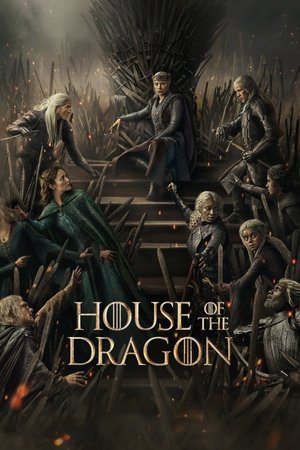
In the years after its conclusion, mentions of Game of Thrones were treated somewhat dismissively by fans, many of whom felt hurt and betrayed by the series’ infamous ending. But that sense of ire was born from a very passionate admiration of what the series had achieved throughout so much of its run. With so much time having passed since Season 8 seemingly ruined the show forevermore, the ferocity of the spite has waned, and a reflective appreciation of how good the show was at its best has started to emerge, a sentiment that has certainly been helped by the success of spin-off series House of the Dragon and A Knight of the Seven Kingdoms.
To put it simply, when Game of Thrones was operating at its best through the first four seasons, it was the greatest triumph television has ever seen. Every episode presented must-watch, high-fantasy drama that not only kept people on the edge of their seats, but also became a landmark cultural phenomenon, with the week between episodes full of debates, discussions, and predictions shared by colleagues, friends, and family. In many respects, this cultural element of television has evaporated with the onset of streaming, offering on-demand entertainment and episodes released in bulk that have sapped the community aspect of fandom. It makes Game of Thrones not only a series of unrivaled narrative scope and production value, but the end of an era of small-screen entertainment, how it is consumed, and the impact it can have on a fanbase.
2 'Chernobyl' (2019)

Not only one of the defining masterpieces of 2010s television but standing as arguably the single greatest miniseries of all time as well, Chernobyl’s timelessness is grounded in the qualities that made it such an immediate and important success. Depicting both the initial aftermath and the extended personal and political ramifications of the Chernobyl nuclear power plant meltdown of 1986, the HBO series excels at honoring the heroism of the many people who sacrificed their own livelihoods to contain the fallout while blasting the political leaders of the Soviet Union who tried to cover up the significance of the disaster.
These themes of corruption and conceit in the halls of power are eternal, and Chernobyl’s ability to explore them against the backdrop of one of modern history’s most terrifying catastrophes is incredible. Given the miniseries also exudes a sense of ceaseless, heart-pounding suspense that is bolstered by its awe-inspiring sense of scale and its litany of exceptional performances, Chernobyl is certain to endure for many years to come as a piercing reflection on historical events, a captivating analysis of the consequences of immorality and deceit in global politics, and one of the most stunning productions the small screen has ever seen.
1 'Mad Men' (2007–2015)

Television trends come and go, whether it's genres slipping in and out of popularity, narrative styles coming in vogue and dwindling soon after, or streaming platforms rising and falling. Great writing is eternal, and no series in recent decades has proven this fact quite like Mad Men. Set in New York throughout the 1960s, the AMC series follows advertising genius Don Draper (Jon Hamm) as he struggles to maintain a balance between his fine-tuned career and his wavering, sporadic personal life, all while navigating the litany of societal and cultural changes that transpire across the decade.
It would be easy to define Mad Men’s enduring brilliance solely with the idea that a great line of dialogue has no expiration date, but the series’ qualities run deeper than that. Its ability to develop such a vast and meaningful network of character dynamics while presenting such flawed yet intriguing figures and delving into a plethora of narrative themes with incredible depth and intelligence is timelessly magnificent. Buoyed by an abundance of outstanding performances, a ceaselessly brilliant seven-season run, and a well-earned legacy of enduring greatness and significance, Mad Men is a television classic that will never go out of fashion.

Mad Men
- Release Date
- 2007 - 2015-00-00
- Network
- AMC
- Showrunner
- Matthew Weiner
- Directors
- Michael Uppendahl, Jennifer Getzinger, Scott Hornbacher, Matthew Weiner, Lesli Linka Glatter, Tim Hunter, John Slattery, Alan Taylor, Andrew Bernstein, Jon Hamm, Barbet Schroeder, Daisy von Scherler Mayer, Ed Bianchi, Jared Harris, Matt Shakman, Lynn Shelton
Cast
-
 Don Draper
 -
 Peggy Olson
















💬 No comments yet. Be the first to share your thoughts!